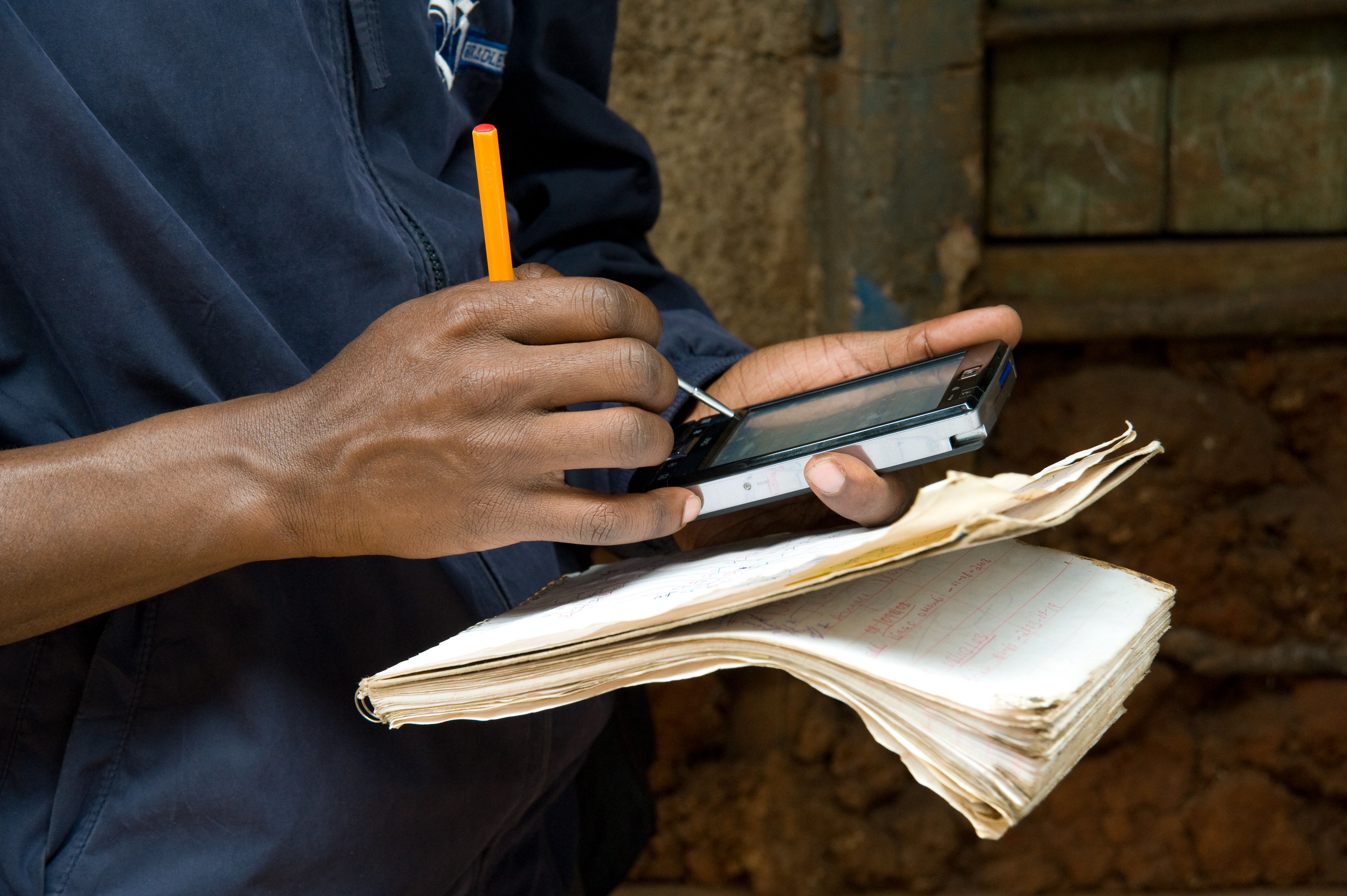

Much of HRP’s research is directly focused on strengthening various elements of national health systems in order to achieve UHC, including access to sexual and reproductive health services for all. UHC – including sexual and reproductive health – means that all people have access to the health services they need, when and where they need them, without suffering financial hardship.
For this to become a reality, it must be based on strong, people-centred primary health care. In recognition of this, HRP works to ensure an evidence base for integrating, implementing and financing sexual and reproductive health within WHO guidance and tools on implementing UHC in national health systems. We coordinate with WHO colleagues and partners across the world to produce guidance on digital health – to help decision-makers across sectors make decisions based on evidence and informed by best practices – to achieve sustainable and well-integrated outcomes that recognize local contexts and existing digital architecture, with the overall aim to improve health for all. In addition, our innovative digital tools aim to connect decision-makers with health systems, and health workers with high-quality, evidence-based WHO guidance.
HRP also conducts research on self-care innovations as part of broader strategies for health, in recognition of how self-care can help individuals and communities to access high-quality health services and to take care of their own health and the health of their families.


Based on findings of research from HRP, new country infographic snapshots were published, giving an overview of national data relating to sexual and reproductive health and rights. Highlighting the national SRHR situation – including successes, areas for improvement, data gaps, and innovative approaches such as self-care interventions – these snapshots can be used by policy-makers, researchers and civil society organizations for determining priorities, planning programmes and resource mobilization, and strengthening health systems, service delivery and community engagement. The snapshots are available for all 194 WHO Member States and use the latest publicly available data at the publication date, from reputable international sources. They aim to improve understanding of progress made and gaps remaining, as well as any health systems needs.

HRP launched the “Sexual and reproductive health and rights policy portal”, to improve access to the most up to date global, regional and country data for policies and indicators organized by: cervical cancer, family planning, infertility, sexual health, STIs and violence against women, as well as links to the complementary “Global abortion policies database” and “Maternal, newborn, child and adolescent health and ageing data portal”. An enabling policy environment is a prerequisite for achieving universal health coverage, and these interactive platforms can help countries to independently research and adopt WHO recommendations and evidence-based policies in their own settings.
Thanks to the work of HRP, WHO launched new guidance which provides evidence-based recommendations on several self-care interventions that can help to ensure quality health and well-being, and to promote and protect human rights. The new WHO Consolidated Guideline on Self-Care Interventions for Health covers diverse interventions, from self-sampling for human papillomavirus (HPV) to improve cervical cancer screening, to self-administration of injectable contraception to prevent unintended pregnancy. The guideline is available in one user-friendly and easy-to-navigate online platform.
.jpg)
To make sure countries benefit from investments in digital health systems, “Digital Accelerator Kits” are designed to ensure WHO’s evidence-based guideline content is accurately reflected in the systems countries are adopting. Digital accelerator kits distil WHO guidelines and operational resources into a standardized format that can be more easily incorporated into digital tracking and decision support systems. In addition to the Digital adaptation kit (DAK) for family planning, mentioned above, the Digital adaptation kit on antenatal care, launched in 2021, aims to provide a common language across various audiences – maternal health and other programme managers, software developers, and implementers of digital systems – to ensure shared understanding of what health information content is appropriate within the area of antenatal care health programming. This is important to encourage and facilitate effective and sustainable use of these digital systems.