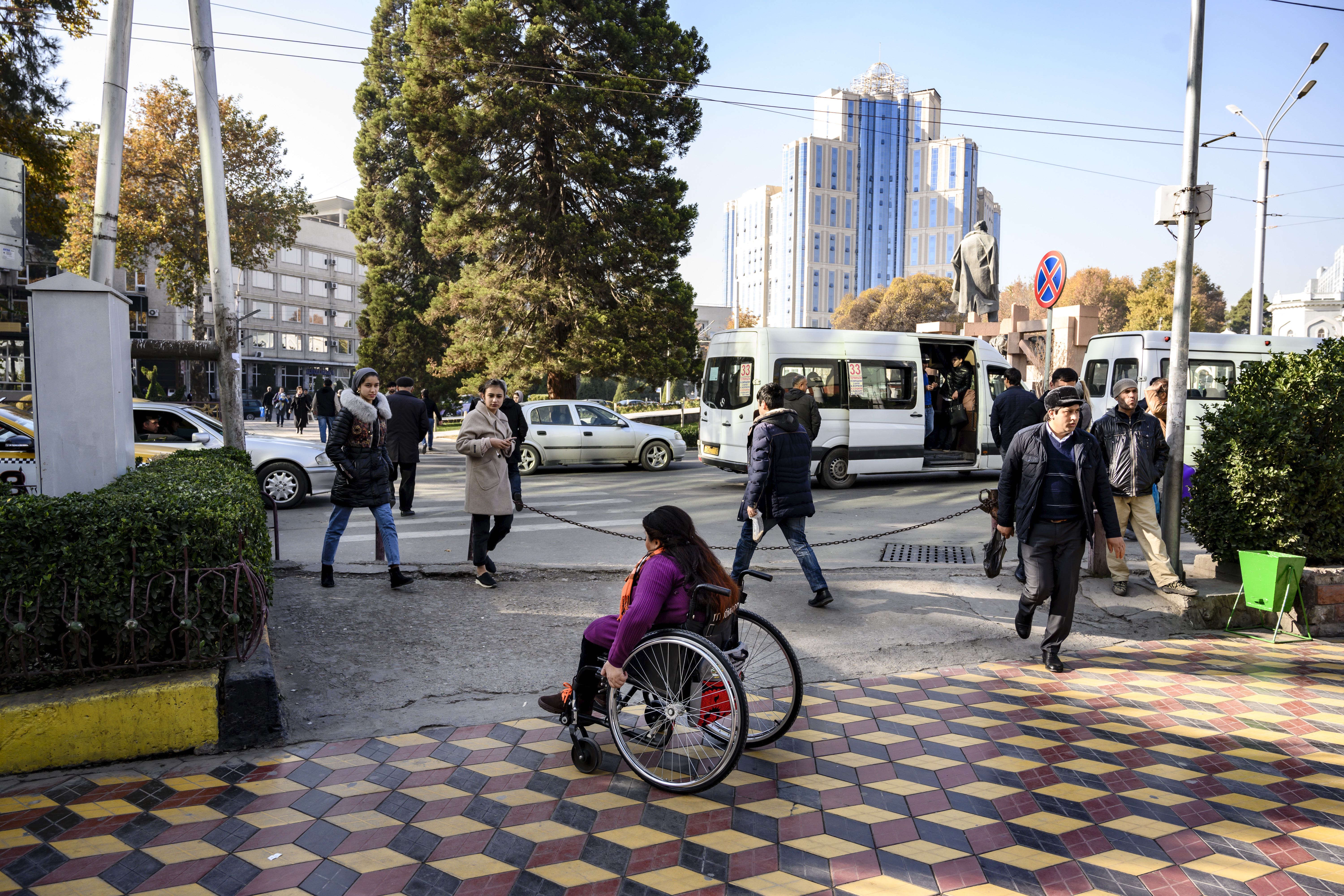

Many countries across the world lack the necessary human resources and infrastructure to undertake crucial research in SRHR. As the only body within the UN system with a global mandate to work on strengthening research capacity in SRHR, HRP promotes and funds relevant research, training, institutional development and networking to increase the research capacity in low- and middle-income countries. Rigorous scientific methods are essential to develop valid and credible evidence that informs norms and standards, to guide the provision of safe, effective, equitable and acceptable sexual and reproductive health services.


In 2016, HRP’s research capacity strengthening (RCS) strategy was revised to create the HRP Alliance, a network of national research partner institutions, WHO country and regional offices, WHO special research programmes and partnerships, and WHO collaborating centres. Underpinning the HRP Alliance is a firm belief in the value of investing in building the capacity of research partners in LMICs who can lead and coordinate RCS in their countries and regions, decisively moving away from conventional RCS approaches that rely on the skills and expertise of elite research institutions in high-income countries.
At the core of this revised strategy are the regional HRP Alliance “hubs”. These hubs are research institutions located across five WHO regions that are at the forefront of HRP’s efforts to strengthen research capacity in multiple institutions throughout each region. Their support to regional research partners includes: skills training, supervision and mentorship of early career scientists; postgraduate scholarships at master’s or doctoral levels; knowledge transfer activities with decision-makers; and policy dialogue. All regional hubs are also actively engaged as research partners in multi-site and national HRP-supported research studies.
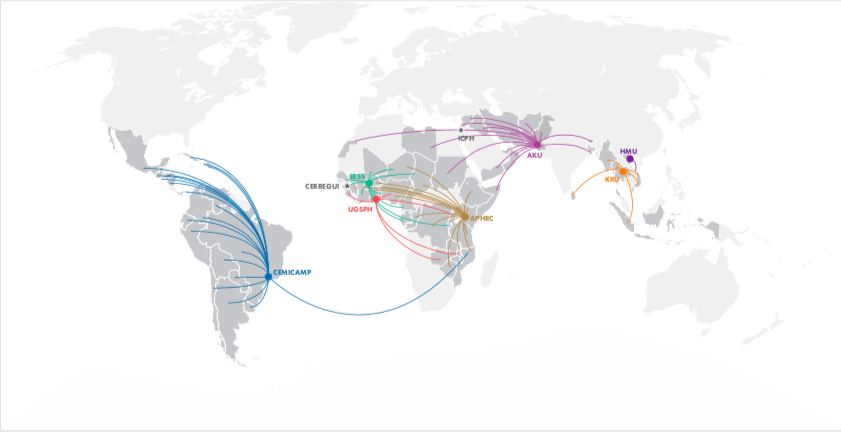
The HRP Alliance currently has seven regional hubs serving the following WHO regions: Africa (francophone and anglophone), Americas, Eastern Mediterranean, South-East Asia, and the Western Pacific. HRP also works directly with two institutional grantees in Guinea and Palestine.
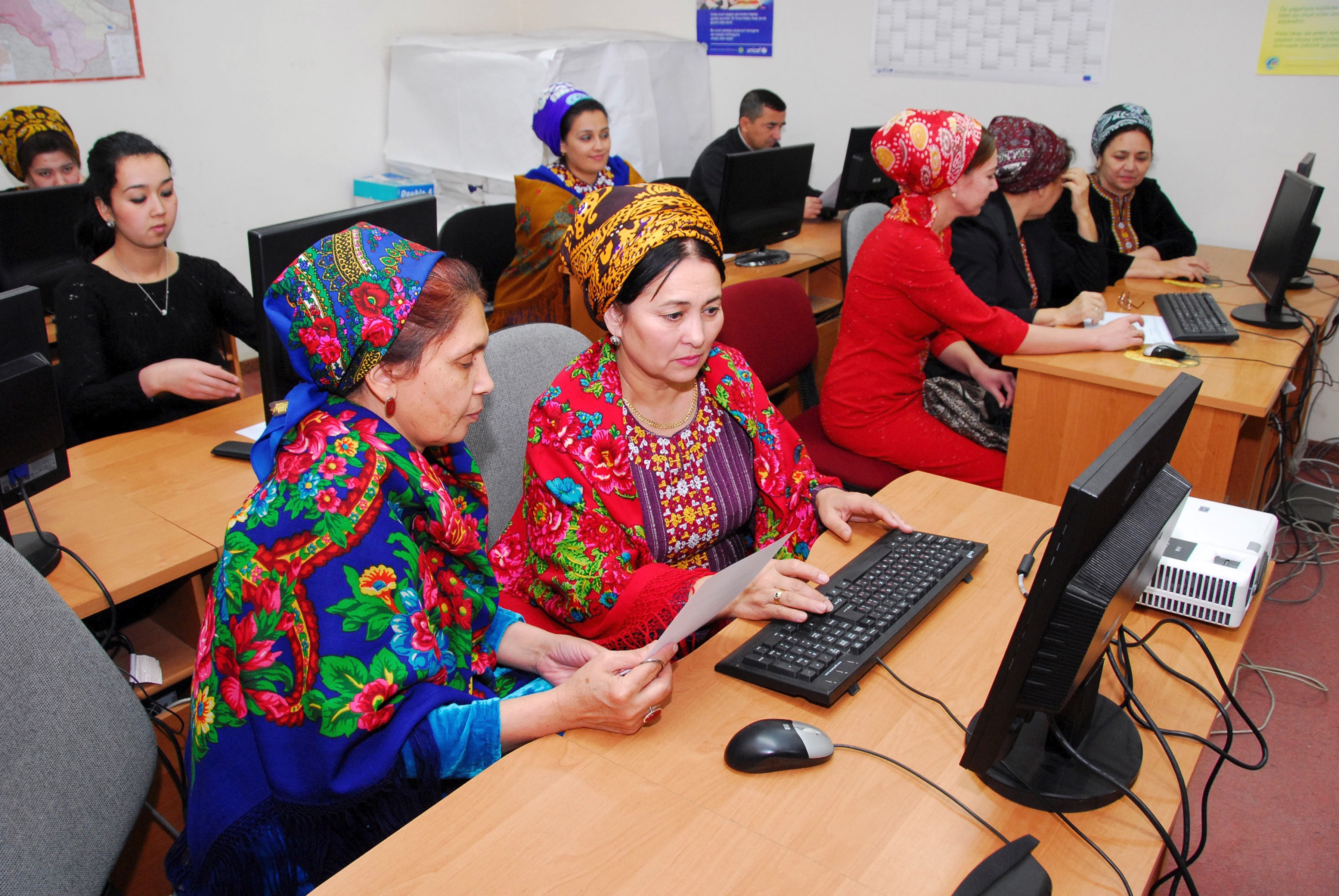
Since inception, a total of 92 individuals have been supported by the HRP Alliance to complete their master’s degrees and 35 to complete their doctoral degrees on topics relating to SRHR research priorities. An additional 2,849 participants from 75 countries have received training through 93 short courses offered by the hubs. Courses covered topics around research methodology and analysis (qualitative, quantitative, implementation), evidence synthesis, research leadership, and scientific writing and dissemination. In addition, hundreds of research articles have been published by staff and students at the hubs due to the research capacity strengthening efforts.
Twenty-three research teams have been supported to respond to public health emergencies: in 2016, relating to the Zika virus epidemic; and in 2019, in response to the migration crisis in the Americas. Results from the small grants scheme during the Zika epidemic were published in a special supplement in 2020, and lessons learned about SRHR among migrants in the Americas will be published in 2022. Currently all seven hubs, as well as several other HRP Alliance partner institutions, are involved in implementing the COVID-19 sexual and reproductive health and rights research response convened by HRP in more than a dozen countries around the world.

The hubs are regional leaders in SRHR research. They have engaged policy-makers and stakeholders through research prioritization processes, have been actively engaged in HRP research and research agenda-setting (including the COVID-19 outbreak response), have initiated cross-hub collaborations through jointly developing grant proposals and mutual mentorship and capacity strengthening, and have been critical partners to advancing and defending SRHR in their regions with scientific evidence. For the upcoming years, the HRP Alliance looks forward to including opportunities for postdoctoral fellows to gain hands-on experience, to continuing their engagement with early career female researchers, and to strengthening and expanding the network of partners for continued sustainability and impact.
In 2021:
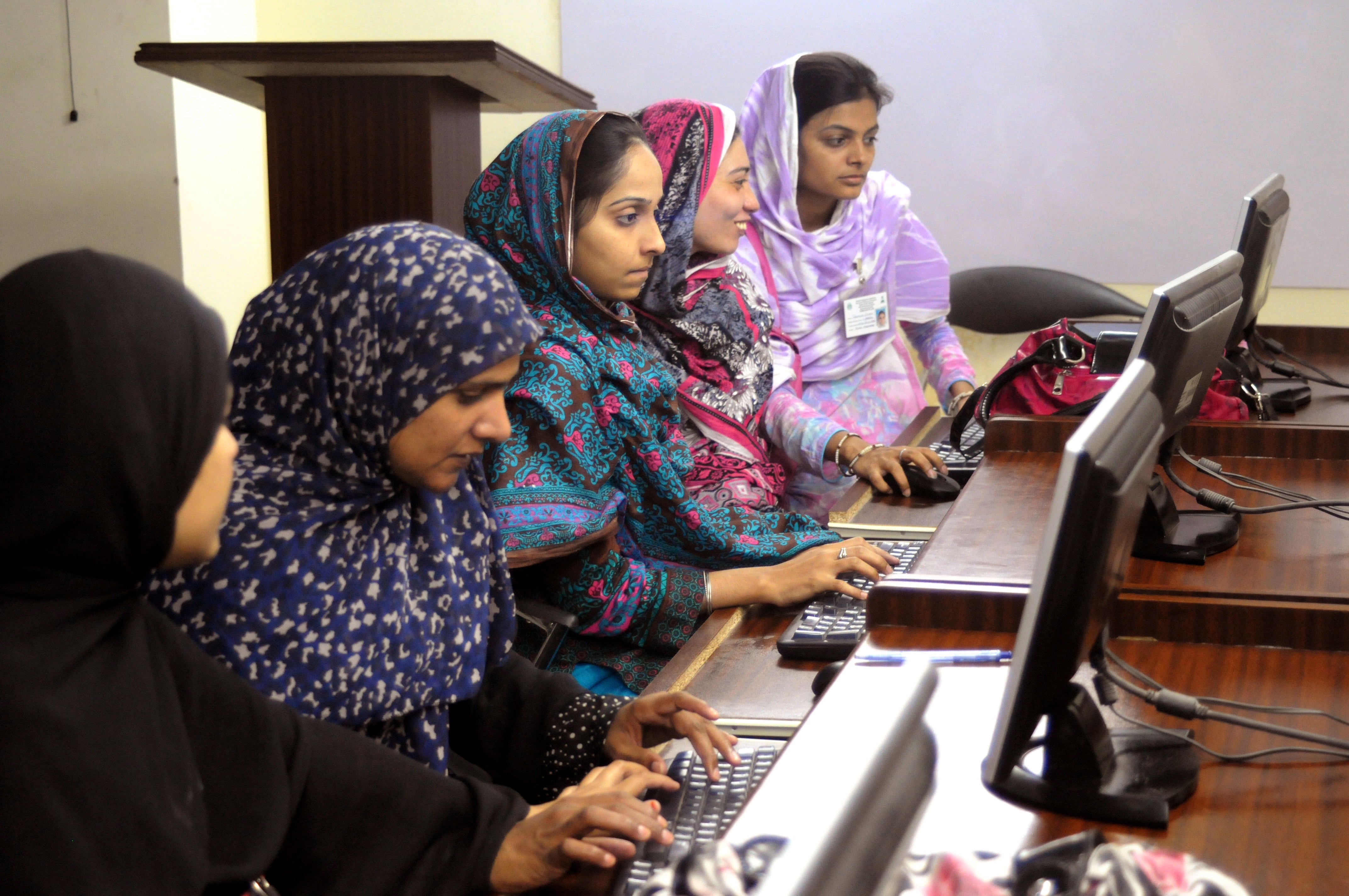
The HRP research project review panel (“RP2”) is the external review body for ensuring the scientific, technical, ethical and financial quality of HRP’s research projects. It comprises 40 independent technical experts from 17 countries (21 [52.5%] of which are women). An RP2 secretariat within HRP manages the protocol review process, archives study protocols and associated research tools, and ensures that HRP protocols are ready for submission to WHO’s Ethical Review Committee. In 2021, 48 new research proposals were reviewed by RP2.
In order to ensure that all data and documentation related to HRP research is securely and transparently archived, the HRP e-archive system has been now been developed. This builds on the WHO’s “Oracle Enterprise Content Management” infrastructure. All content is stored in WHO servers behind the regulated firewall for data security, and these servers physically reside at the UN International Computing Centre in Geneva, Switzerland. Project metadata for all HRP projects have been uploaded into the repository and the system is now fully functional to generate a project ID for all new HRP projects. Project IDs are now required for all protocol submissions for RP2 and ERC, and they serve as an index to sort, search, and link study documents; a centre ID is also now required for all research sites. All HRP research projects are now required to include a study archival component to be implemented at the close of study. Essential study documents to be archived include approved protocols, study instruments, deidentified analytic files, completed case report forms, and publications.