
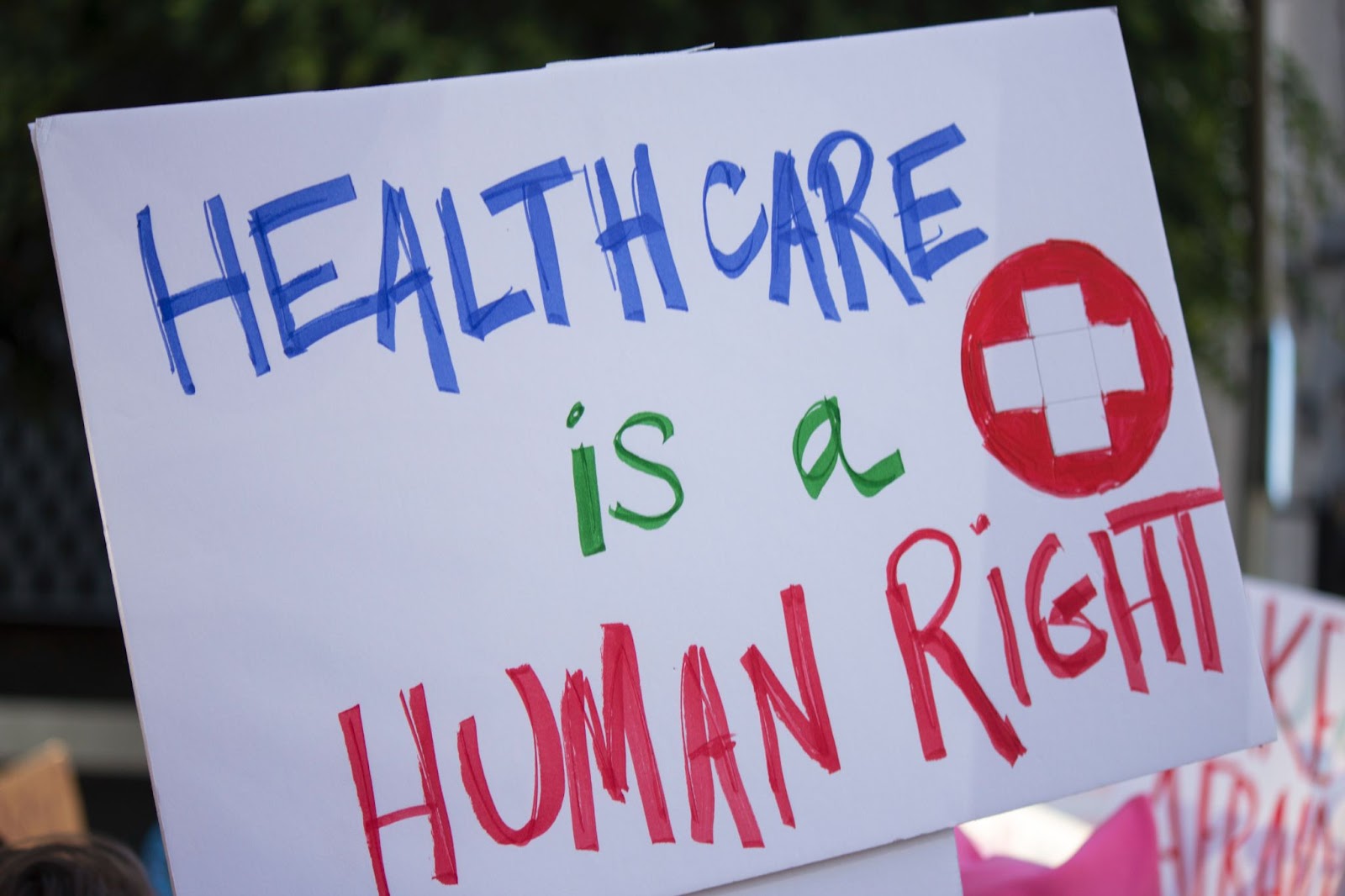
Human rights are fundamental to the health of individuals, couples and families, and to the social and economic development of communities and nations. As explained in the 2017 report of the high-level working group on the health and human rights of women, children and adolescents, Leading the realization of human rights to health and through health, everyone has the right to health and through health, because the “right to health does not stand alone but is indivisible from other human rights. Good health not only depends on but is also a prerequisite for pursuing other rights. Human rights cannot be fully enjoyed without health; likewise, health cannot be fully enjoyed without the dignity that is upheld by all other human rights”. Discrimination, abuse and violence, however, continue to prevent women and girls everywhere from fulfilling their human right to the highest standard of sexual and reproductive health.


A special series of papers on “Women’s health and gender inequalities” was released by HRP, WHO, and the United Nations University International Institute for Global Health (UNU-IIGH) in partnership with the British Medical Journal (BMJ). The series celebrates and interrogates collective progress towards making the 1995 Beijing Declaration and Platform for Action a reality for all women and girls everywhere, in all their diversity. It launched the week of the Generation Equality Forum’s closing meeting, the largest global feminist gathering in more than 25 years. As well as analysing past successes and evidence-based strategies to advance women’s health and gender equality, the 13 articles within the series reflect on new and emerging threats. In addition, three episodes of The BMJ Podcast are dedicated to the special series.
Access the series: https://www.bmj.com/gender
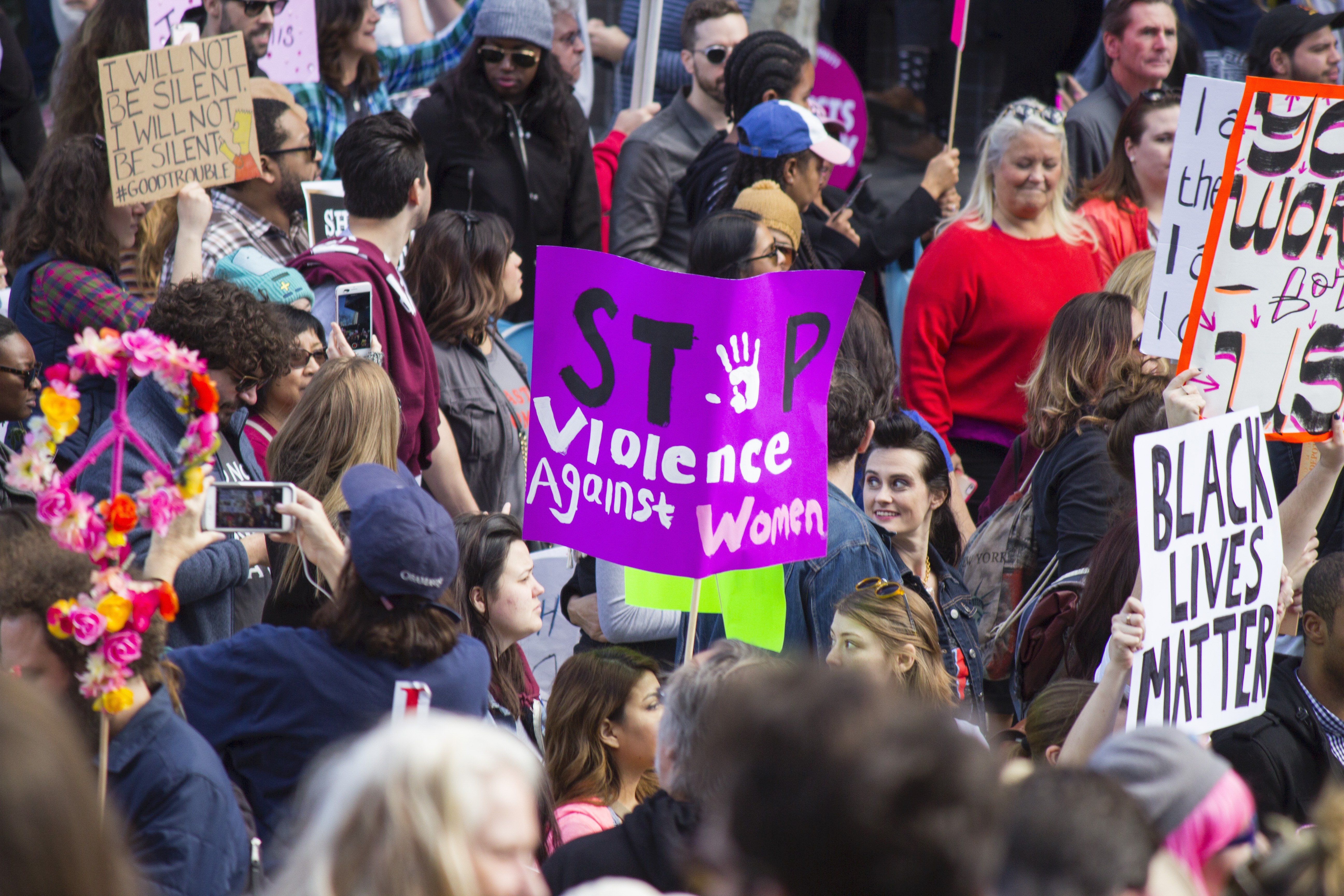
HRP authors published a commentary in The BMJ to summarise some important ways in which power has been understood, defined and put into practice in research on sexual and reproductive health and rights. The authors concluded by underlining how, “power influences every element of the research endeavour”. With better recognition of this, it will be possible to improve the quality and impact of research on sexual and reproductive health and rights.
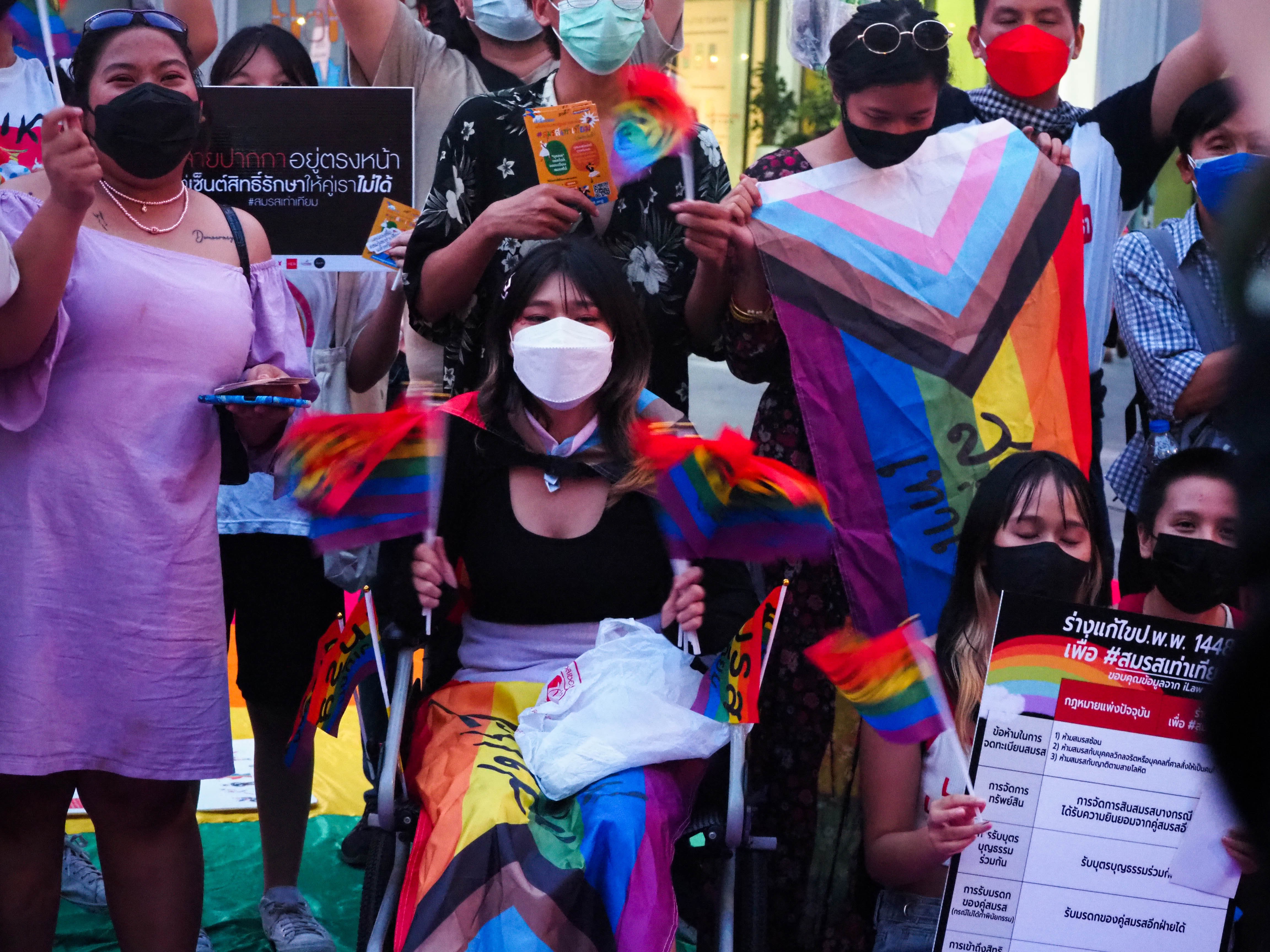
Legal accountability, or use of the judicial system, is a mechanism sometimes available to individuals when states fail to sufficiently safeguard their sexual and reproductive health and rights as enshrined in national laws. In recognition of this, experts at HRP conducted a scoping review of the impact of legal accountability efforts for sexual and reproductive health and rights – looking particularly at the links between legal accountability strategies and changes in the desired sexual and reproductive health and rights outcomes. It found that use of the judiciary can be effective for making change and that the act of claiming rights can shift social norms – but are more effective as part of a broader strategy to promote and safeguard sexual and reproductive health and rights.
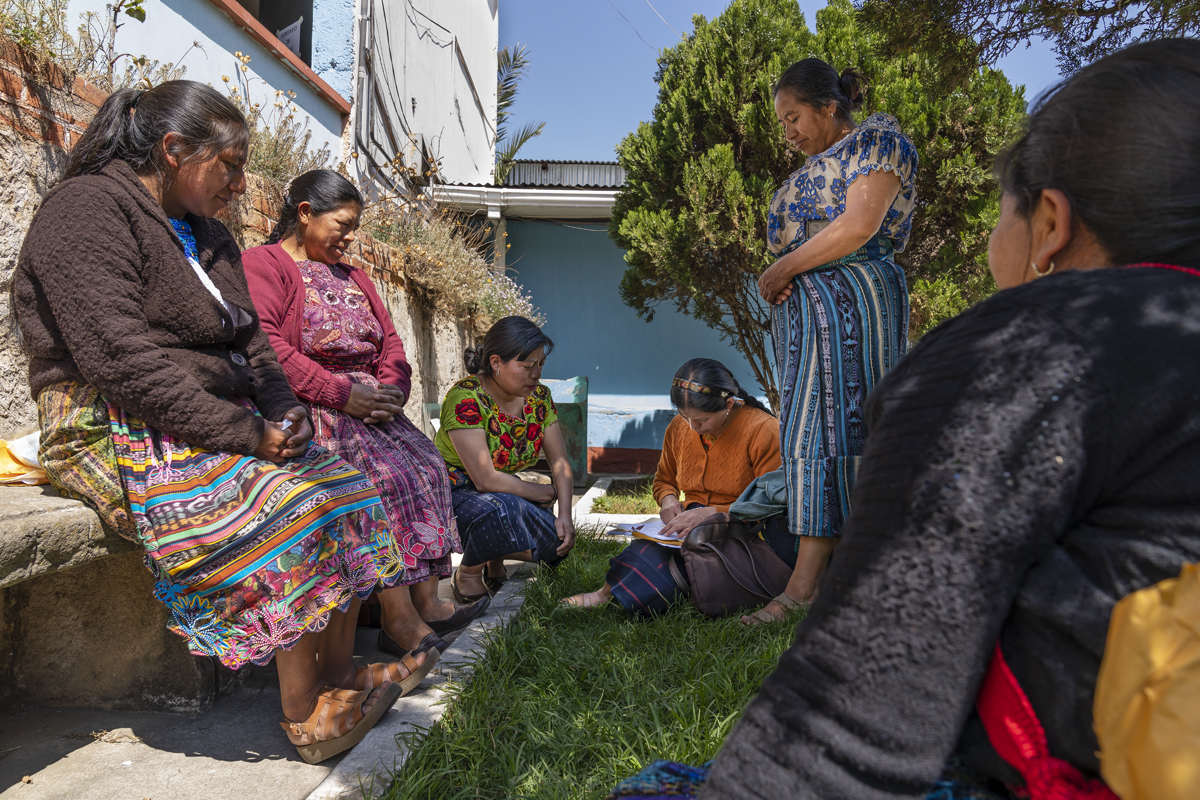
Key stakeholders – including high-level donors, international civil servants and researchers working on sexual and reproductive health and rights – were interviewed on their perspectives as to what defines rights-inclusive research on sexual and reproductive health. Bringing together an analysis of their responses, a paper was published in the journal Sexual and Reproductive Health Matters, which aims to define what is needed to properly integrate human rights into sexual and reproductive health research. The article concludes that better understanding of issues and concerns in communities will help to move forward the research agenda to better integrate human rights into sexual and reproductive health research.