Violence against women and girls constitutes a major public health concern and is a grave violation of human rights. Estimates by WHO indicate that, worldwide, about one woman in every three has experienced physical and/or sexual intimate partner violence or non-partner sexual violence in their lifetime.
Violence against women and girls takes multiple forms, including intimate partner violence, sexual violence, forced marriage, femicide and trafficking. FGM and child and early marriage constitute harmful practices that share some of the same risk factors as violence against women, such as unequal gender norms.
Violence against women and girls can lead to a range of adverse physical, mental and psychosocial health outcomes, including negative impacts on sexual and reproductive health. Intimate partner violence and non-partner sexual violence can lead to unintended pregnancies, induced abortions, gynaecological problems, and STIs, including HIV. Intimate partner violence during pregnancy also increases the likelihood of miscarriage, stillbirth, preterm delivery and low-birthweight infants. Conflict and post-conflict situations, including displacement, can exacerbate violence against women and girls, and may present the risk of additional forms of violence.


New estimates show that violence against women continues to be a public health concern of pandemic proportions, with virtually no change over the past decade, despite huge investments in interventions and significant advocacy efforts. The report, published by WHO, HRP, and partners, shows that nearly one in three women, around 736 million, are subjected to physical or sexual violence by an intimate partner or sexual violence from a non-partner – a number that has remained largely unchanged over the past decade. Violence against women also starts alarmingly young, with one in four women aged 14 to 25 years, who have been in a relationship, experiencing violence by an intimate partner by the time they reach their mid-twenties.
Dr Tedros Adhanom Ghebreyesus, WHO Director-General commented, “unlike COVID-19, violence against women cannot be stopped with a vaccine. We can only fight it with deep-rooted and sustained efforts – by governments, communities and individuals – to change harmful attitudes, improve access to opportunities and services for women and girls, and foster healthy and mutually respectful relationships.”
Access the report: https://www.who.int/publications/i/item/9789240022256
Access the interactive database: https://srhr.org/vaw-data
Monitoring governments’ commitments to end violence against women is important to ensure accountability for the wellbeing of millions of women and girls at risk of, or subjected to, violence. In recognition of this, HRP and WHO published a new report to monitor the existence of national action plans to prevent and respond to this violence, in line with international commitments, WHO guidelines that support quality health care for survivors, human rights standards, and evidence-based prevention strategies. Amongst many other key findings, the report showed that while countries recognize the need to act on violence against women – with four in five countries (81%) having national multisectoral action plans in place – under half lack clinical guidelines to actually address such violence.
Access the report: https://www.who.int/publications/i/item/9789240040458
The Generation Equality Forum , a global gathering for gender equality held in Paris in June 2021, marked 25 years since the Beijing Declaration and Platform for Action for the empowerment of women. Within this forum, WHO, along with UN Women, leads the Action Coalition on Gender-based Violence, a responsibility informed by HRP research and undertaken by HRP staff. In recognition of the role that the health sector can play in addressing gender-based violence, WHO made a number of important commitments to help strengthen the health sector response worldwide.
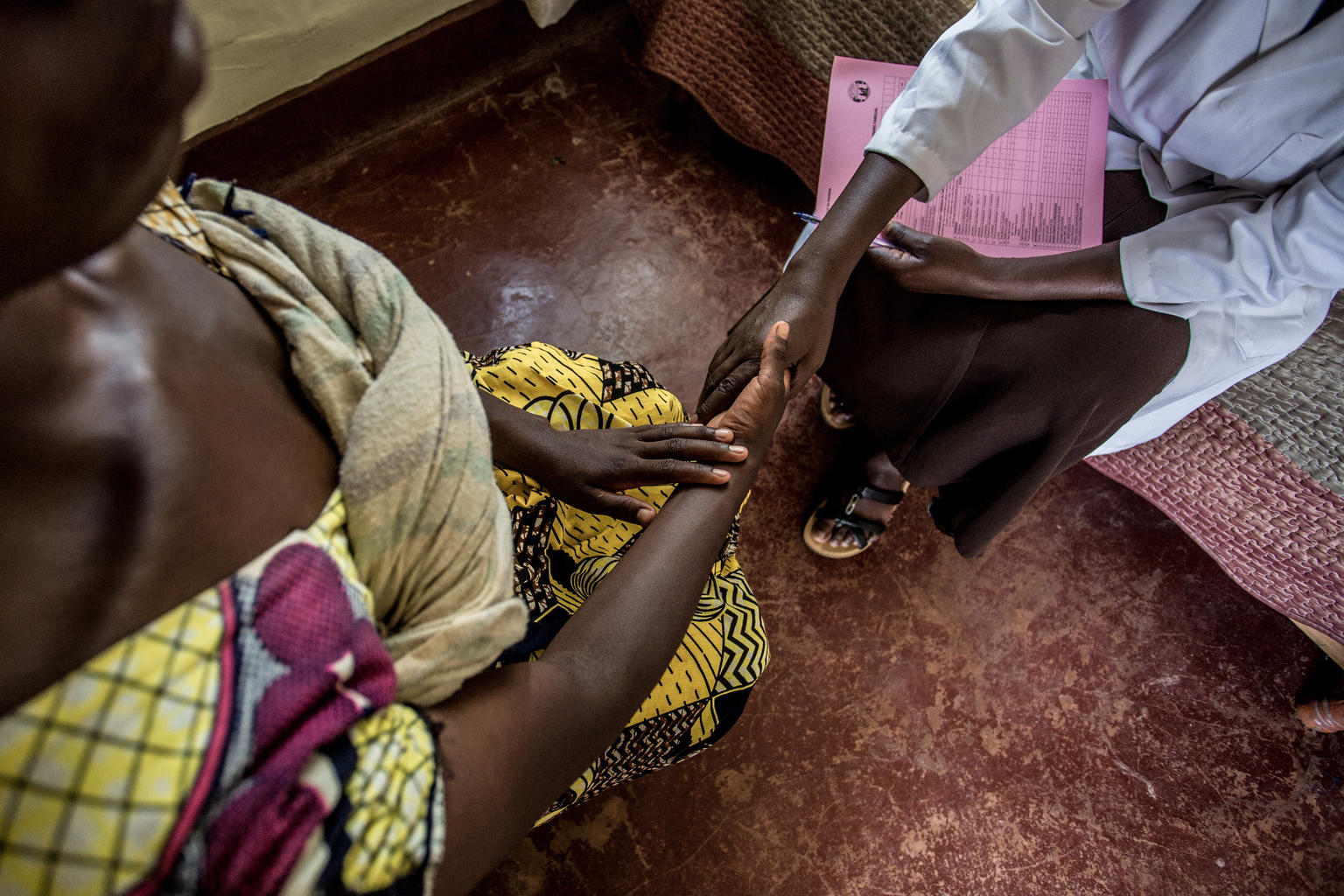
HRP and WHO, together with the WHO Country Office for India, commissioned the Centre for Enquiry into Health and Allied Themes (CEHAT) to work with three government teaching hospitals in Miraj, Sangli and Aurangabad to assess the knowledge and attitudes of health-care providers in responding to violence against women – as well as their skills in clinical care, linked to the training and improvements in health facilities. The experiences of the three hospitals revealed that health-worker training to care for women subjected to violence, conducted with country- and context-specificity to address personal values and beliefs, improves knowledge, attitudes, and practices among health-care providers, and is acceptable to them.

WHO is the lead agency supporting the health sector to address FGM by strengthening health systems. This includes the adaptation and integration of WHO guidelines and tools using a four-step process: (1) assessment of the country’s FGM profile, current health sector response and the health system’s readiness to do more; (2) development of national health sector action plans, integrated within existing MoH health plans; (3) support for implementation of action plan activities; (4) monitoring processes and outputs. HRP is currently supporting nine countries in this process (Burkina Faso, Egypt, Ethiopia, Guinea, Kenya, Mali, Somalia, Sudan and United Republic of Tanzania), which are at different stages of planning and implementation.