
Each day, about 800 women across the world die from complications related to pregnancy or childbirth, most of which are preventable or treatable. The vast majority of maternal deaths – around 99% – occur in low- and middle-income countries, and the risk of maternal death is highest for adolescent girls under 15 years old.
The major complications that account for nearly 75% of all maternal deaths are severe bleeding, infections, high blood pressure during pregnancy (pre-eclampsia and eclampsia), difficulties during delivery, and unsafe abortion. Maternal deaths are also caused by or associated with diseases such as malaria and HIV. In addition, many more women experience morbidities due to complications of pregnancy and childbirth that include various immediate and longer-term debilitating conditions.
Ensuring access to affordable and good-quality care throughout pregnancy and the perinatal period is essential in reducing the rates of complications and deaths related to pregnancy and childbirth. HRP’s research continues to address priority challenges faced by health systems, informing countries of best practices to reduce maternal mortality and morbidity – as well as to improve the experience of care for women and their babies.


HRP joined WHO in calling on health facility managers, leaders and health workers around the world to adopt and implement actions to achieve five World Patient Safety Day goals to improve maternal and newborn safety at the points of care, particularly around childbirth. The goals were launched at a virtual global conference, “Together for safe and respectful maternal and newborn care” on World Patient Safety Day on 17 September, with the theme of Safe maternal and newborn care.
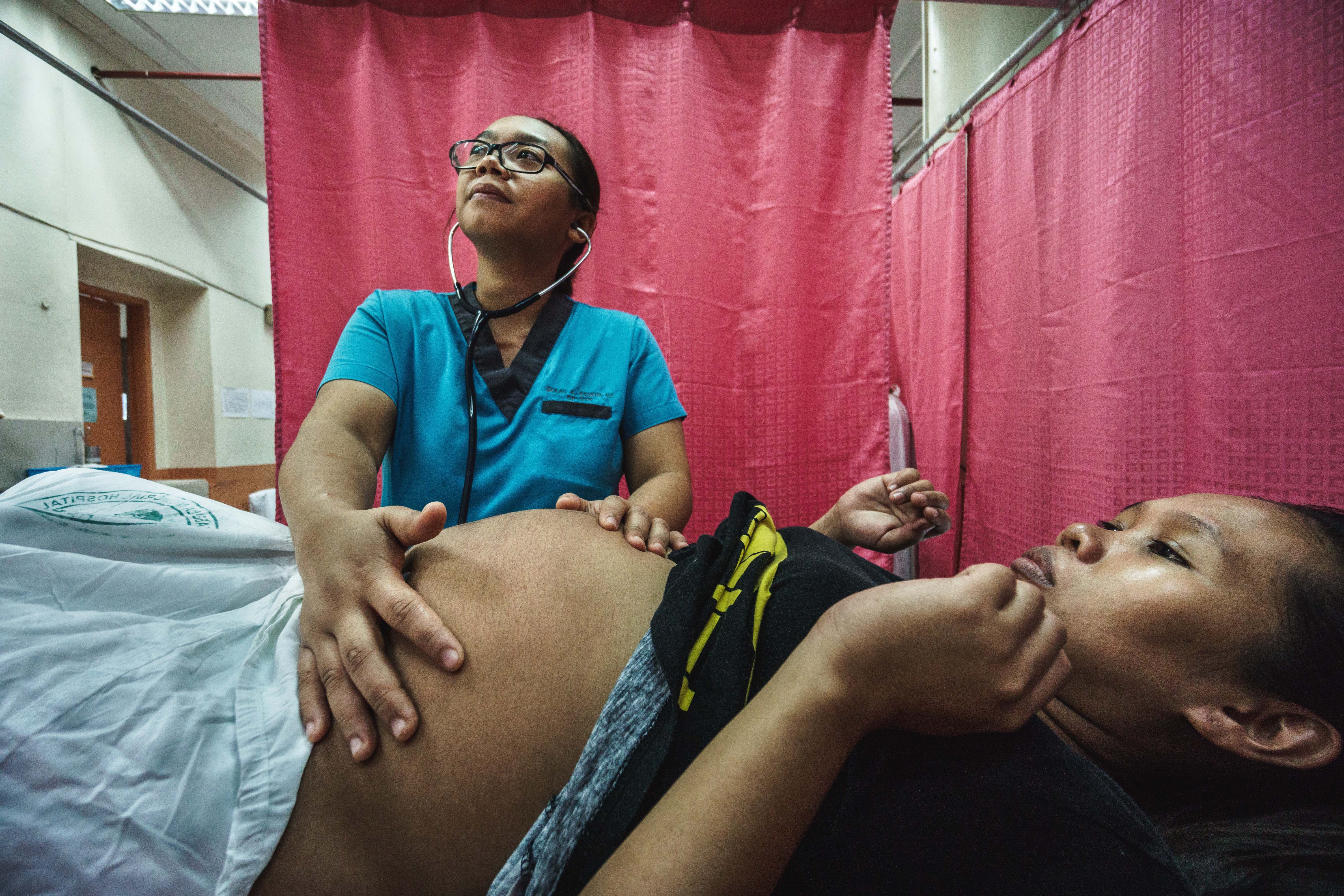
Women worldwide face diverse forms of mistreatment during childbirth by health-care providers. Research on this abuse has until now largely focused on physical and verbal abuse, as well as neglect and stigmatisation. A new study, released by HRP in 2021, showed, however, that women are also experiencing different forms of mistreatment across any vaginal examinations – including non-consented care, sharing of private information, exposure of genitalia and exposure of breasts. The authors conclude, “Our results highlight the need to ensure better communication and consent processes for vaginal examination during childbirth. In some settings, measures such as availability of curtains were helpful to reduce women’s exposure and sharing of private information, but context-specific interventions will be required to achieve respectful maternity care globally.”
HRP has pioneered the use of the ‘living guideline’ to respond dynamically to new, important evidence as it emerges, so that WHO guidance can be regularly updated. This approach uses a combination of continuous literature surveillance, rapid updating of prioritized systematic reviews and virtual consultations with panels to update and develop new WHO recommendations. This helps to ensure that the latest evidence and recommendations can reach health workers worldwide as quickly as possible. In 2021, nine maternal health recommendations were updated, spanning: maternal peripartum infections, postpartum haemorrhage, hypertensive disorders of pregnancy, ultrasonography, and nutritional supplementation during antenatal care. A similar approach has been used for WHO contraception guidance and HRP is initiating this approach for WHO’s cervical cancer recommendations.
New research from HRP and WHO found that caesarean section use continues to rise globally, now accounting for more than one in five (21%) of all births. This proportion is expected to continue increasing over the coming decade, with nearly a third (29%) of all births likely to take place by caesarean section by 2030. While a caesarean section can be an essential and lifesaving surgery, it can put women and babies at unnecessary risk of short- and long-term health problems if performed when there is no medical need. In low-income countries, about 8% of women gave birth by caesarean section with only 5% in sub-Saharan Africa, indicating a concerning lack of access to this lifesaving surgery. Conversely, in Latin America and the Caribbean, rates are as high as four in ten (43%) of all births.
Access the study: https://gh.bmj.com/content/6/6/e005671.full?ijkey=JgilzebteZPF03j&keytype=ref
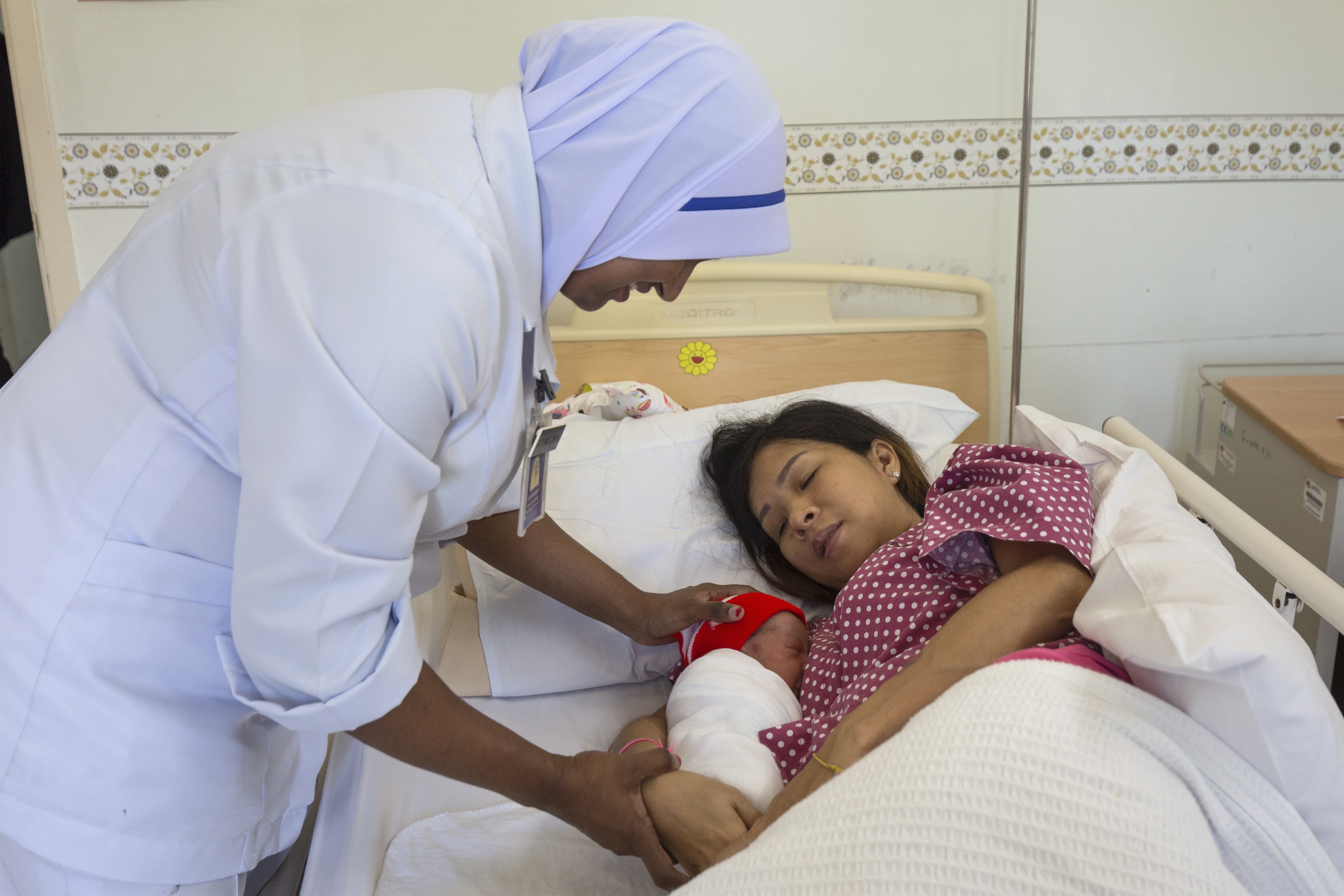
According to a recent HRP literature review, approximately 40% of the oxytocin samples tested in low- and middle-income countries were substandard. To help address this issue, HRP joined WHO, United Nations Children’s Fund (UNICEF) and UNFPA to publish new regulatory guidance to help national medicines regulatory authorities to understand the nature and extent of oxytocin quality issues and to provide key technical information and quality requirements for oxytocin products in dossier assessments. The guidance also gives advice on other regulatory actions needed to ensure that only quality-assured oxytocin products are authorized and made available to women.