
Adolescence is the period of life that encompasses the transition from childhood to adulthood. WHO defines adolescents as people aged between 10 and 19 years, while recognizing that age is only one characteristic defining this critical period of rapid human development. An individual’s behaviour and the choices they make during this time can determine their future health and well-being.
Adolescents across the world face considerable challenges to their SRHR. These include: sexual coercion and intimate partner violence; lack of education and information; high rates of early and unwanted pregnancy; lack of access to essential health services, especially for contraception and safe abortion; gender inequalities and harmful traditional practices, such as female genital mutilation (FGM), and child, early and forced marriage; and risk of STIs (including HIV).


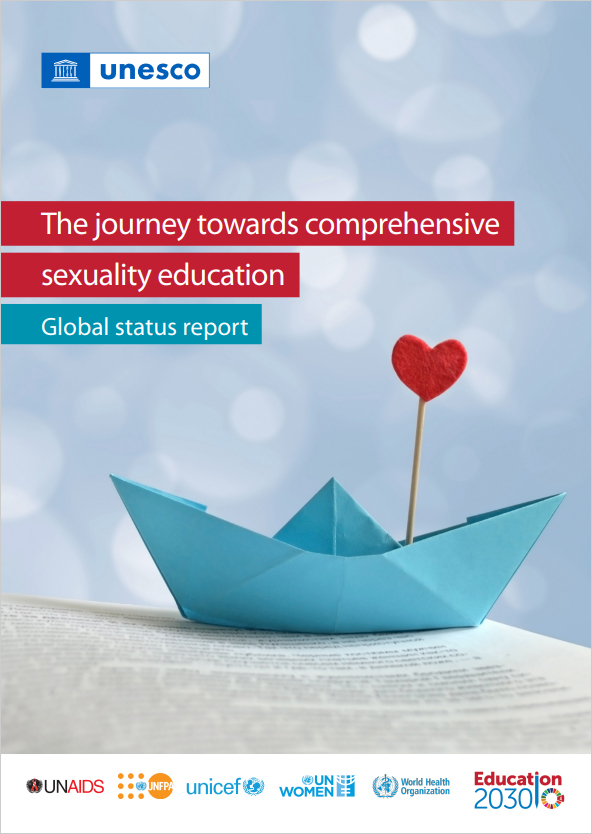
HRP collaborated with the Joint United Nations Programme on HIV/AIDS (UNAIDS), UNFPA, UNICEF, the United Nations Entity for Gender Equality and the Empowerment of Women (UN Women), and WHO, to develop a global status report on Comprehensive Sexuality Education (CSE), The journey towards comprehensive sexuality education. This report draws on multiple data sources to provide analysis of countries’ progress towards delivering good-quality, school-based CSE to all learners. CSE is central to children and young people’s well-being, equipping them with the knowledge and skills they need to make healthy and responsible choices in their lives. The report shows that 85% of 155 countries surveyed have policies or laws relating to sexuality education, with considerably more countries reporting policies to mandate delivery at secondary education level than at primary level. However, the existence of policy and legal frameworks do not always equate to comprehensive content or strong implementation.
In recognition of the considerable challenges faced by adolescents to their sexual and reproductive health and rights, WHO and HRP published a series of country profiles to summarise data on key issues. These resources give an accurate picture of adolescent sexual and reproductive health issues for 50 different countries. They bring together relevant data on ten different areas: socio-demographic characteristics; sexual activity; child marriage/ in union status; childbearing; fertility intentions and contraceptive use; abortion; STIs, including HIV and human papillomavirus; gender-based violence; female genital mutilation/cutting; and menstruation.
Access the profiles: https://www.who.int/publications/i/item/WHO-SRH-20.67
It is more than 25 years since the Beijing Declaration and Platform for Action – the most progressive blueprint ever for advancing the health rights of women and girls. At the 2021 Generation Equality Forum marking the anniversary of this landmark global policy framework, WHO committed to investing in the evidence base for sexual and reproductive health and rights, including delivering CSE within and outside school settings, supporting 25 countries in increasing adolescents’ access to and use of contraception, and building knowledge among adolescents of their entitlements and ability to advocate for their needs. These commitments are made possible by the years of research on adolescent sexual and reproductive health and rights conducted and facilitated by HRP.